
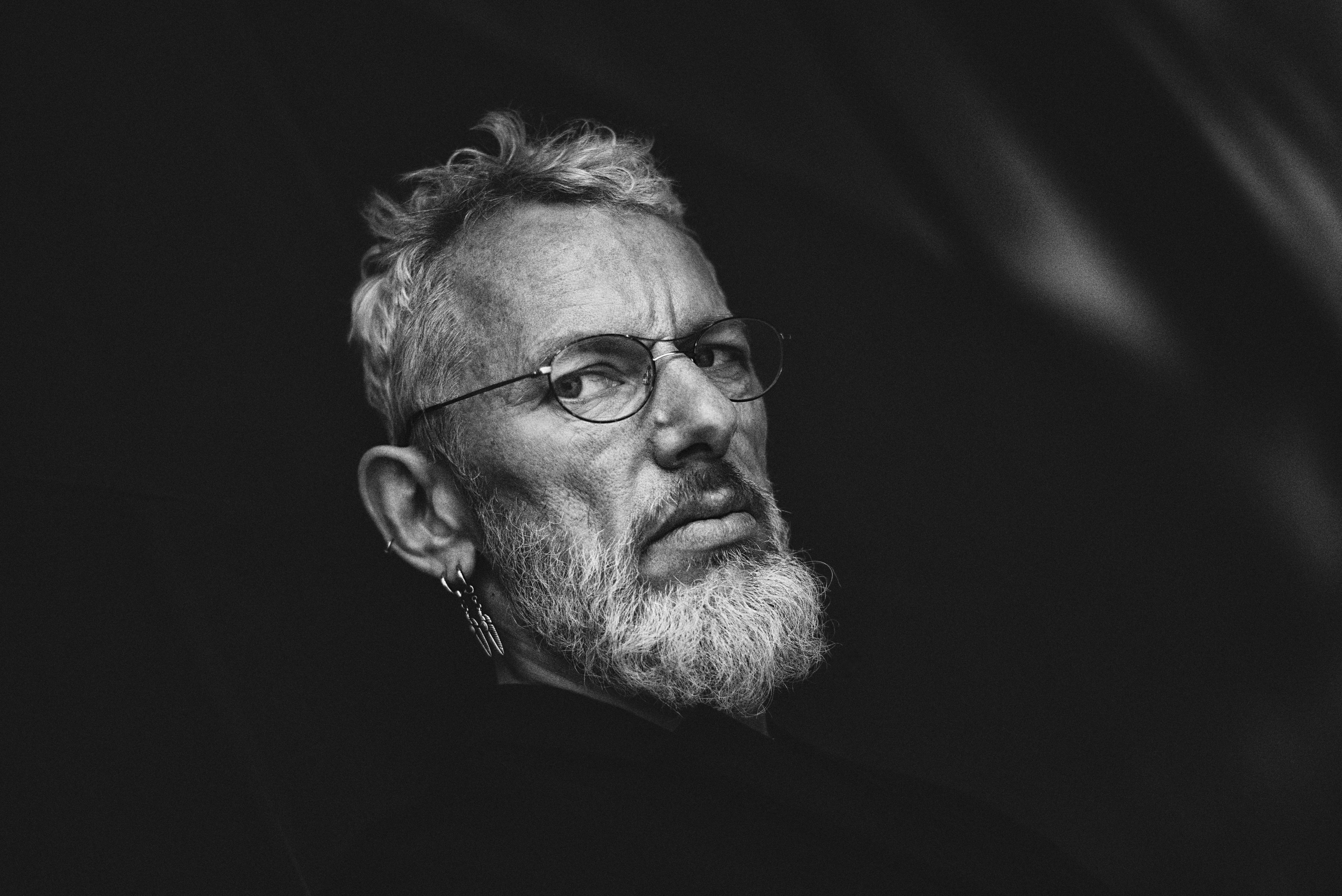

Have you ever noticed how difficult it is—not just for others, but for yourself—to genuinely consider that you might be wrong? I know I have. Not in trivial matters, but in those moments when something feels important—when a belief is challenged, when a position is questioned, or when a conversation begins to press against something you’ve come to identify with. In those moments, something shifts internally. The body tightens, thoughts accelerate, and what began as a discussion quietly transforms into a defense.
I shared something different yesterday—music instead of writing, exploring the same pattern from another angle.
Most of us assume we are defending our beliefs. But in reality, we are often defending something far more personal—our sense of position, our identity, and ultimately, our sense of security. To the Automatic Brain—the primitive, survival-driven system that operates beneath our awareness—being wrong does not register as a neutral intellectual event. It is interpreted as a loss. A loss of status, control, and in some cases, a threat to belonging. And because the Automatic Brain is wired to protect us from perceived danger, it responds accordingly.
In earlier stages of human development, that response was physical. We fought or we fled. Today, those same mechanisms remain intact, but they show up in more socially acceptable forms. We argue. We interrupt. We selectively interpret information. We become more certain as we are challenged rather than less. What appears on the surface as confidence or conviction is often something else entirely—a subtle but powerful attempt to restore a sense of safety.
This is where bias quietly takes hold. We tend to think of bias as a flaw in reasoning or a lack of objectivity, but from the perspective of the Automatic Brain, bias serves a purpose. Once we adopt a belief—especially one intertwined with how we see ourselves—the brain begins to treat it as something to be protected. We are then naturally drawn toward information that confirms it and increasingly resistant to information that challenges it. Not because we are intentionally ignoring the truth, but because our system is working to avoid the discomfort associated with being wrong.
Over time, this creates a narrowing effect. Curiosity gives way to certainty. Conversations become less about exploration and more about positioning. Relationships begin to strain under the weight of unspoken tension, where being understood becomes less important than being correct. And perhaps most significantly, growth slows. Because growth, by its very nature, requires the willingness to reconsider, to adjust, and at times, to recognize that what we once held as certain may not be true.
There is, however, another way of engaging with these moments. The Mind—the reflective, steady, and more discerning aspect of who we are—does not experience disagreement as a threat. It is capable of holding uncertainty without urgency. It allows space for questions that the Automatic Brain tends to shut down. What if I’m missing something? What can I learn here? Why does this feel so important to defend? These questions do not weaken us. They orient us toward truth rather than protection.
This doesn’t mean we should abandon our beliefs or avoid taking positions. Rather, it invites a subtle but powerful shift in awareness. When I find myself in the middle of a disagreement, I try to notice what is driving my response. Is it a genuine effort to understand, or is it a reflexive need to defend? That distinction, though easy to overlook, has profound implications for how we communicate, relate, and evolve.
When the need to be right becomes dominant, truth often becomes secondary. And while that may provide a temporary sense of control, it comes at a cost—one that affects not only our relationships with others, but also our relationship with ourselves. Because the more we protect our positions, the less access we have to what is real, what is meaningful, and what ultimately allows us to grow.