


…and then finding out he had betrayed not just you, but the friends you referred to him.
That’s what happened recently to Chalene Johnson, a New York Times bestselling author, entrepreneur, motivational speaker, and one of the most trusted voices in the health, fitness, and business space, and her husband, Bret.
I’ll admit it, I’m a Chalene superfan. Highest-tier podcast subscriber. . . hello, fellow "Vaulties. " She’s taught me countless lessons about business and life. But nothing hit harder than when she shared how she and Bret had discovered the financial advisor they trusted for two decades, Rajesh Markan, was charged with defrauding customers.
Including them.
And here’s the gut punch: Chalene and Bret weren’t most devastated about their situation. They were sick over their closest friends—the ones who had trusted their recommendation without hesitation. One family, one of their very best friends, had put in their entire life savings.
Imagine waking up to realize the people you love most could lose everything because of your referral. It wasn’t their fault. But if you’ve ever been in that position, you know the guilt doesn’t just sting. . . it consumes you.
The Pleading Texts
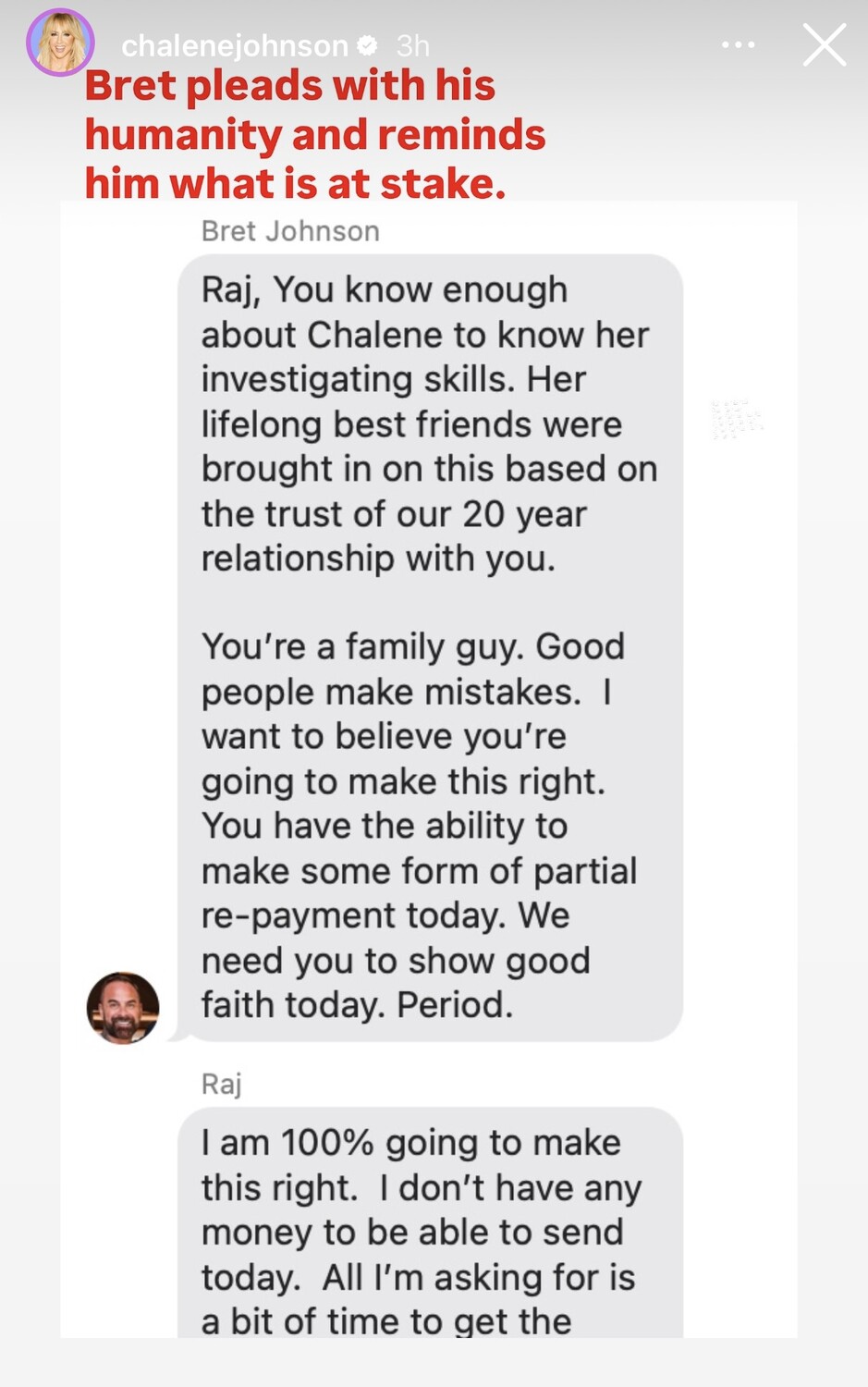
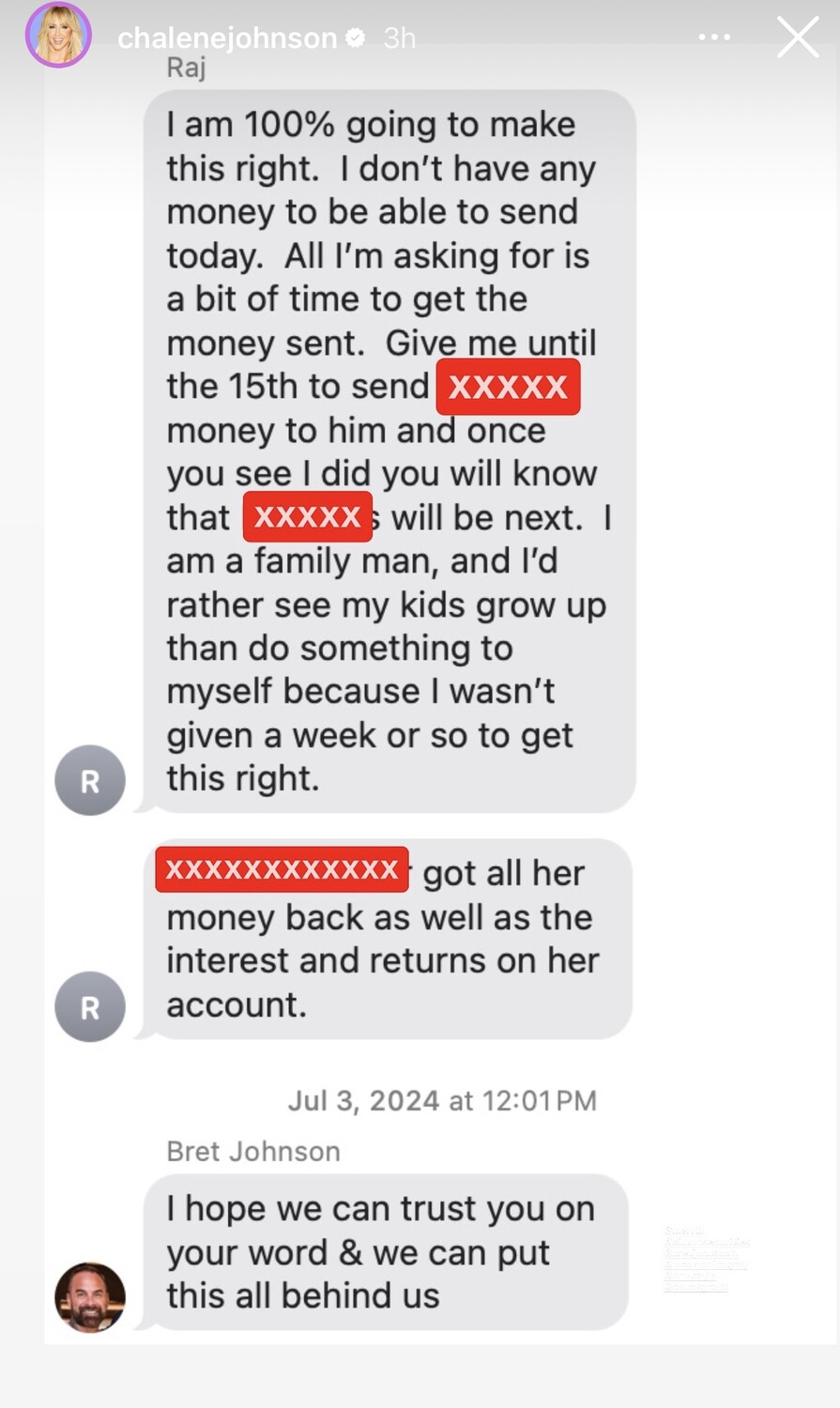
When Chalene showed the texts on Instagram, it was haunting.
You could see the desperation. They weren’t demanding refunds or threatening lawsuits. They were pleading.
Pleading with Raj not to destroy the lives of their friends. Pleading for the return of money that represented decades of sacrifice.
It read less like a client-advisor conversation and more like something out of Never Split the Difference: Negotiating as if Your Life Depended on It. Christopher Voss teaches that the key to negotiation is creating trust through tactical empathy. . . stepping into the other person’s world, labeling their fears, showing them you understand.
That’s exactly what Chalene and Bret were forced to do in the text exchanges below. They weren’t talking about returns or fees. They were trying to tap into any remaining shred of humanity Raj had left. . . pleading with him to imagine the devastation their friends would face if their savings disappeared.
The cruel twist? Tactical empathy wasn’t a tool for closing a deal here. It was a desperate attempt to save the futures of people they loved, from a man they had trusted for 20 years.
Twenty. Years.
Titles Don’t Equal Trust
This wasn’t a fly-by-night scammer. Markan carried the credibility of major firms like Merrill Lynch and Hilltop Securities Inc. Titles that should have signaled safety.
But as the SEC laid out, it was a façade.
He raised nearly $2. 9 million for a fake fund. The “private equity firm” he claimed was behind it didn’t even exist. Most of the money was misused.
Why This Story Sticks
I've spent years in financial services. I’ve seen glossy brochures that sell “peace of mind” like a product. But here’s the brutal truth:
- Titles don’t equal trust.
- Institutions don’t equal protection.
- Even the most careful, educated people can be blindsided.
And the cost isn’t just financial. It’s the shame of looking your best friends in the eye and whispering: I referred you to the man who may have ruined you.
The Leadership Lesson
This isn’t just about money. It’s about leadership.
- Reputation is currency. Once broken, it’s almost impossible to rebuild.
- Accountability matters. Firms that don’t safeguard their clients’ trust are complicit in betrayal.
- Transparency saves. Chalene didn’t hide the mess. She spoke up, even when it hurt. That’s leadership.
The Takeaway
I’ll keep listening to Chalene (highest-tier subscriber, remember? ).
But her story is now etched in my mind as a permanent case study:
- Trust, but verify.
- Don’t confuse tenure or titles with integrity.
- Protect the trust people place in you like it’s their life savings—because sometimes, it literally is.
Because at the end of the day, leadership isn’t about job titles or glossy credentials. It’s about whether people can sleep at night knowing you’re the one protecting their future.