
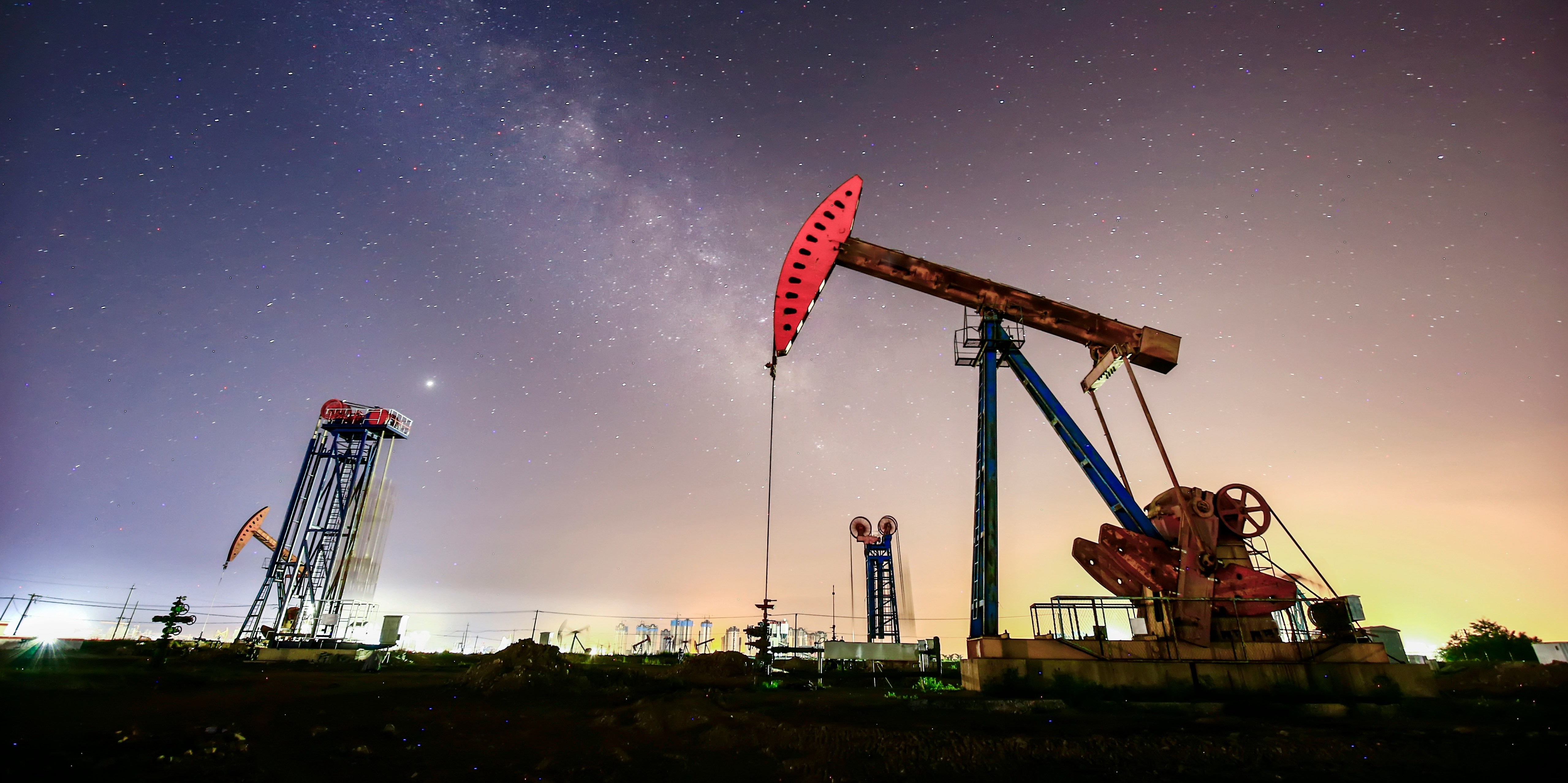

The global oil and gas industry has undergone a profound technological transformation in recent decades. It is due to the need to access increasingly complex reservoirs, optimize production efficiency, and manage the escalating costs of exploration and development. As conventional hydrocarbon resources become more difficult to exploit, operators have turned to a broad spectrum of advanced technologies.
During China's “13th Five-Year Plan” period, for example, a sustained program of research and development yielded substantial technical breakthroughs such as “automated drilling rig, managed pressure drilling, logging, cementing and completion technology, non-planar tooth bit, high-temperature resistance and ultra-high density oil-based drilling fluid, highly ductile cement slurry, deep-well coiled tubing operation unit, and optimization design of unconventional casing program… (to) support the exploration and development of several deep and ultra-deep large oil and gas fields1” in various China regions.
The U. S. Energy Information Administration noted that “advances in drilling and production technologies have increased U. S. oil production2. ” Contemporary operations routinely employ directional and horizontal well trajectories drilled from common surface locations, thereby enabling access to substantially greater rock volumes from a single wellpad.
Parallel to advances in drilling hardware and materials, the integration of AI into oil and gas operations represents perhaps the most consequential technological development of the current era. AI tools are being actively explored and deployed across exploration, production, and trading functions.3
Why AI Matters in the Oil and Gas Industry
Operators in the oil and gas sector face increasingly complex pressures that challenge traditional workflows. Price volatility, driven by events such as the global financial crisis, the rapid expansion of shale production, and the Covid-19 pandemic, has led to extreme swings in oil and natural gas prices, which affect companies’ financial stability and overall sector risk.4
Operational complexity has also increased, as companies contend with deeper wells, steeply dipping formations, narrow pressure windows, and aging infrastructure, all under the scrutiny of tighter regulatory and environmental standards.
In addition to financial and operational pressures, oil and gas operators face increasing demands from technological, environmental, and workforce dynamics. Digital transformation, including the adoption of automation, IoT, and advanced data analytics, presents opportunities to improve efficiency and safety but also introduces integration and cybersecurity challenges. Simultaneously, sustainability expectations and the global energy transition require companies to reduce emissions, invest in renewable projects, and meet evolving ESG standards. Rising operational costs, aging facilities, and a talent shortage compound these pressures, emphasizing the need for adaptive strategies that can address both immediate operational risks and long-term competitiveness.5
In response to these multifaceted challenges, AI adoption is gaining momentum across the oil and gas sector. By converting large volumes of operational data into actionable insights, AI enables operators to anticipate equipment issues, optimize performance in real time, and reduce non-productive time across the well lifecycle. While full-scale implementation remains gradual, the projected growth of the AI-in-oil-and-gas market, from approximately USD 5. 3 billion in 2024 to nearly USD 33 billion by 20336, underscores the technology’s increasing strategic significance in improving operational efficiency, managing risk, and supporting data-driven decision-making.
How AI Is Applied Across Oil and Gas Operations
The significance of artificial intelligence in the oil and gas sector has been increasingly recognized, prompting numerous studies examining both the opportunities and challenges of its adoption.
Industry-specific applications of AI have been explored extensively, including “production forecasting, vulnerability assessment, and incident response, (. . . ) intrusion detection, seismic analysis, and risk assessment. ” Other studies also explored the potential of AI and Machine Learning (ML) in strengthening the security and cyber-physical systems.7
AI has proven particularly transformative across several key operational domains. Predictive maintenance is among the most critical applications in modern oil and gas operations, enabling operators to anticipate equipment failures before they occur. Traditional strategies, such as scheduled maintenance or reactive repair, can be costly, inefficient, and often ill-suited to the high-stress environments of oil and gas machinery.
In contrast, AI-driven predictive maintenance leverages machine learning algorithms to analyze vast amounts of sensor and operational data, identifying subtle patterns and deviations that indicate potential equipment issues. This proactive approach minimizes unplanned downtime, reduces financial and safety risks, and extends the operational life of critical assets, contributing to greater reliability and operational efficiency.8
Similarly, in production optimization, AI algorithms monitor reservoir conditions, drilling parameters, and equipment performance in real time, recommending adjustments that enhance output, protect the reservoir, and minimize waste. Studies of AI-enabled deep drilling operations demonstrate measurable reductions in non-productive time, improved process consistency across heterogeneous formations, and more stable control of critical drilling parameters such as torque, vibration, and rate of penetration.9
Gowekar further discussed that AI-powered predictive maintenance solutions “contribute to a greater degree of security and environmental protection. ” It enables forecasting failures that could lead to accidents or spills, which allows corrective action before incidents occur. The integration of advanced predictive analytics enhances monitoring and management across the well lifecycle, aligning operations with regulatory requirements and broader industry objectives for safer, greener, and more efficient oil and gas production. As the sector increasingly relies on data-driven solutions, predictive maintenance powered by AI represents a pivotal milestone in optimizing operations while mitigating both financial and environmental risks.
Beyond operational efficiency, AI contributes to health, safety, and environmental (HSE) performance. Real-time monitoring enables early detection of hazards and operational deviations, helping prevent accidents, equipment failures, and environmental incidents. Advanced analytics also support carbon emissions reduction by identifying energy inefficiencies and suggesting operational adjustments, aligning industry practices with ESG objectives and regulatory requirements.10
Despite these benefits, successful AI adoption depends on reliable data, system interpretability, and operator trust. AI is most effective when integrated into workflows as a decision-support tool, augmenting human expertise with transparent recommendations and actionable insights. As the oil and gas industry increasingly embraces AI-driven operations, evidence suggests that these systems can deliver safer, more efficient, and resilient operations, particularly in complex, high-cost, and high-risk drilling environments.
Conclusion
Artificial intelligence is rapidly transforming the oil and gas sector, offering tools that enhance operational efficiency, reliability, and safety across the exploration, drilling, production, and maintenance lifecycle. By enabling predictive maintenance, AI minimizes unplanned downtime, extends equipment life, and reduces both financial and safety risks, while advanced data analytics support more accurate reservoir modeling, production optimization, and risk assessment.
Beyond operational gains, AI contributes to environmental stewardship by identifying inefficiencies and mitigating emissions, helping companies align with increasingly stringent regulatory and ESG requirements. While challenges remain, such as data reliability, system interpretability, and workforce readiness, the integration of AI as a decision-support tool that augments human expertise provides a clear pathway toward safer, more efficient, and resilient oil and gas operations. As adoption continues to expand, AI is poised to become an indispensable enabler of both economic and sustainable performance in the industry.
References:
Ahmad, Nadeem, and Anwar Abbas. “Artificial Intelligence-Enabled Optimization of Deep Drilling Operations Using Real-Time Data Analytics. ” Researchgate, January 1, 2026. https://doi. org/10. 13140/RG. 2. 2. 14335. 88482.
AlAbdouli, Mohamed Abdalla, and Sameh Al-Shihabi. “Artificial Intelligence and Its Performance Impacts in the Oil and Gas Industry: Challenges, Insights, and Evaluation Approaches. ” Results in Engineering 28 (October 10, 2025): 107636. https://doi. org/10. 1016/j. rineng. 2025. 107636.
Caporin, Massimiliano, Fulvio Fontini, and Roberto Panzica. “The Systemic Risk of US Oil and Natural Gas Companies. ” Energy Economics 121 (May 2023): 106650. https://doi. org/10. 1016/j. eneco. 2023. 106650.
DW Insights. “AI’s Role in Oil and Gas Exploration | DW Energy Group. ” DW Energy Group, September 23, 2024. https://www. dwenergygroup. com/ais-role-in-oil-and-gas-exploration/.
EIA. “Where Our Oil Comes from in Depth - U. S. Energy Information Administration (EIA). ” www. eia. gov, March 10, 2021. https://www. eia. gov/energyexplained/oil-and-petroleum-products/where-our-oil-comes-from-in-depth. php.
Ganesh Shankar Gowekar. “Artificial Intelligence for Predictive Maintenance in Oil and Gas Operations. ” World Journal of Advanced Research and Reviews 23, no. 3 (September 30, 2024): 1228–33. https://doi. org/10. 30574/wjarr. 2024. 23. 3. 2721.
Grand View Research. “AI in Oil and Gas Market Size, Share & Trends Report, 2030. ” Grandviewresearch. com, 2025. https://www. grandviewresearch. com/industry-analysis/ai-oil-gas-market-report.
Infiniti Research. “Risks and Challenges: A Deep Dive into the Modern Oil and Gas Sector’s Complex Landscape . ” Infinitiresearch. com, 2024. https://www. infinitiresearch. com/thoughts/risks-and-challenges-a-deep-dive-into-the-modern-oil-and-gas-sectors-complex-landscape/.
Povoas, Marcelo dos Santos, Jéssica Freire Moreira, Severino Virginio Martins Neto, Carlos Antonio de Silva Carvalho, Bruno Santos Cezario, Andre Luís Azevedo Guedes, and Gilson Brito Alves Lima. “Artificial Intelligence in the Oil and Gas Industry: Applications, Challenges, and Future Directions. ” Applied Sciences 15, no. 14 (July 16, 2025): 7918–18. https://doi. org/10. 3390/app15147918.
1 Wang, Haige, Hongchun Huang, Wenxin Bi, and Guodong Ji. 2021. Review of Deep and Ultra-Deep Oil and Gas Well Drilling Technologies: Progress and Prospect. Sciencedirect 9 (2): 141–57. https://doi. org/10. 1016/j. ngib. 2021. 08. 019.
2 EIA, “Where Our Oil Comes from in Depth - U. S. Energy Information Administration (EIA),” www. eia. gov, March 10, 2021, https://www. eia. gov/energyexplained/oil-and-petroleum-products/where-our-oil-comes-from-in-depth. php.
3 Mohamed Abdalla AlAbdouli and Sameh Al-Shihabi, “Artificial Intelligence and Its Performance Impacts in the Oil and Gas Industry: Challenges, Insights, and Evaluation Approaches,” Results in Engineering 28 (October 10, 2025): 107636, https://doi. org/10. 1016/j. rineng. 2025. 107636.
4 Massimiliano Caporin, Fulvio Fontini, and Roberto Panzica, “The Systemic Risk of US Oil and Natural Gas Companies,” Energy Economics 121 (May 2023): 106650, https://doi. org/10. 1016/j. eneco. 2023. 106650.
5 Infiniti Research, “Risks and Challenges: A Deep Dive into the Modern Oil and Gas Sector’s Complex Landscape ,” Infinitiresearch. com, 2024, https://www. infinitiresearch. com/thoughts/risks-and-challenges-a-deep-dive-into-the-modern-oil-and-gas-sectors-complex-landscape/.
6 Grand View Research, “AI in Oil and Gas Market Size, Share & Trends Report, 2030,” Grandviewresearch. com, 2025, https://www. grandviewresearch. com/industry-analysis/ai-oil-gas-market-report.
7 Marcelo dos Santos Povoas et al. , “Artificial Intelligence in the Oil and Gas Industry: Applications, Challenges, and Future Directions,” Applied Sciences 15, no. 14 (July 16, 2025): 7918–18, https://doi. org/10. 3390/app15147918.
8 Ganesh Shankar Gowekar, “Artificial Intelligence for Predictive Maintenance in Oil and Gas Operations,” World Journal of Advanced Research and Reviews 23, no. 3 (September 30, 2024): 1228–33, https://doi. org/10. 30574/wjarr. 2024. 23. 3. 2721.
9 Nadeem Ahmad and Anwar Abbas, “Artificial Intelligence-Enabled Optimization of Deep Drilling Operations Using Real-Time Data Analytics,” Researchgate, January 1, 2026, https://doi. org/10. 13140/RG. 2. 2. 14335. 88482.
10 DW Insights, “AI’s Role in Oil and Gas Exploration | DW Energy Group,” DW Energy Group, September 23, 2024, https://www. dwenergygroup. com/ais-role-in-oil-and-gas-exploration/.